Welcome to the WCR weekly update. World Commerce Review is the global trade and finance platform, discussing all things political, regulatory, technological, financial and, most importantly, the future
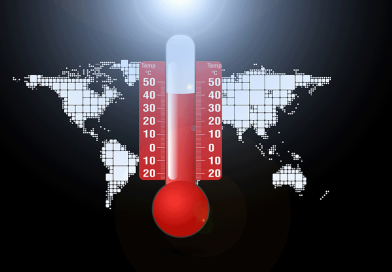
Physical shocks and economic resilience: a central bank perspective
James Talbot explains how physical climate shocks affect inflation and output, and how central banks can assess and respond across two linked horizons: near-term monetary policy and the longer-term roles of resilience, adaptation, and insurance in supporting price and financial stability
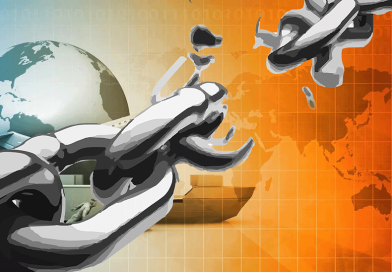
Beyond free trade and protectionism
Andrew Watt and Claes-Mikael Ståhl argue that trade policy has weakened unions and democracy, and propose an open, democratically governed, pro-worker economy where trade advances share social goals

Top tips for applied intelligence and not artificial
AI-driven productivity means maintaining quality, not simply producing more work. Jonathan Sharp shares practical tips for making AI your collaborator rather than letting it do the work for you

This week’s featured stories 12 October – 18 October 2026…
Welcome to the WCR weekly update. World Commerce Review is the global trade and finance platform, discussing all things political, regulatory, technological, financial and, most importantly, the future
The ‘China problem’ and the WTO
Petros Mavroidis argues that bilateral pushback against China is failing, making joint WTO and IMF action key to tackling subsidies, under-consumption and an undervalued currency

Finance


Climate Action





Tax

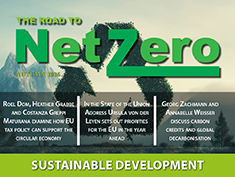
Tax policy considerations for the circular economy
The EU Circular Economy Act is
being prepared by the European Commission. Roel Dom, Heather Grabbe and Costanza Greppi Maturana examine how EU tax policy can support the transition to a circular economy by correcting market failures and incentivising sustainable resource use

Barbados: a strategic base for global wealth
As traditional wealth centres overhaul their tax regimes, high-net-worth individuals are reassessing where to live, hold assets and plan for the future. Ava-Marissa Lee explains why Barbados is well positioned to meet their evolving needs

Europe’s federated democratic learning state
Europe is moving towards invoice-level electronic VAT reporting. Thiemo Fetzer argues that, with AI-assisted processing of the information contained in electronic VAT invoices, the tax system can become not just a compliance and revenue-raising instrument, but a protected intelligence map of the economy